Course Works
Visual Computing (U/G 2-2)
This course covers essential mathematical concepts for image processing and computer vision through practical examples. Based on the fundamentals of image processing and computer vision, the underlying concepts of deep neural networks will be introduced.
programming: python, opencv, tensorflow
Computer Graphics (U/G 3-1)
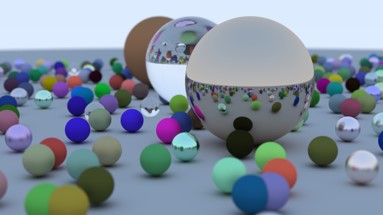
This course introduces 3D rendering pipeline that projects a 3D scene into an image, covering 3D transformations, lighting effects, and GPU acceleration. In the practice, we will handle Threejs, the most famous among Web-based high-level Graphics lib.
programming: javascript, threejs, shader programming
Extended Reality (U/G 3-2)
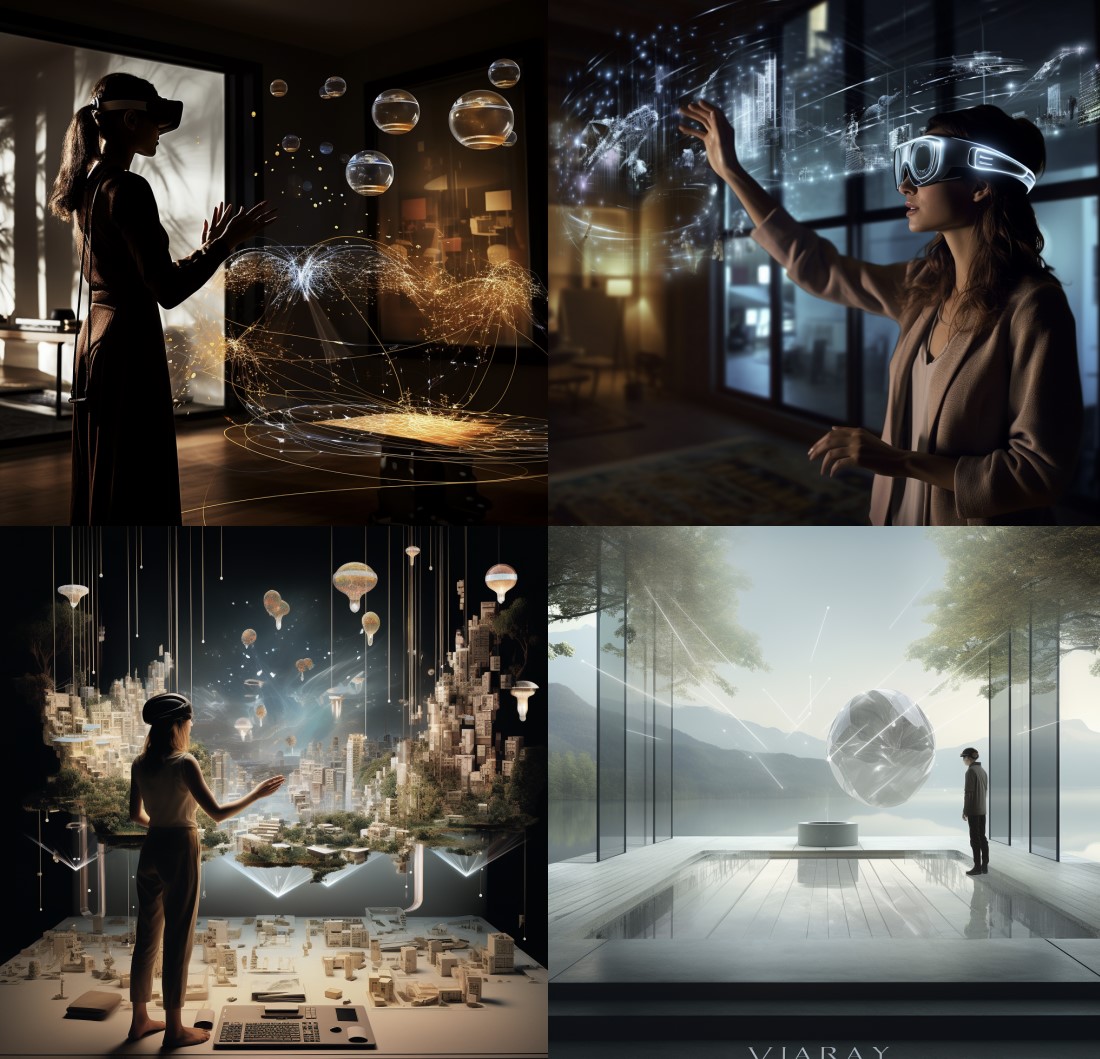
This course introduces eXtended Reality (XR) — the unified spectrum that spans virtual, augmented, and mixed reality. Building on computer graphics and tracking fundamentals, students learn how immersive experiences are designed and authored with Unreal Engine 5, including hyper-realistic rendering, MetaHuman characters, and integration of HMDs and motion sensors. Recent topics such as LLM-connected AI characters and generative-model-driven content authoring are also covered through hands-on projects.
programming: c++/blueprint, unreal engine 5, hmd devices
Image Generative Model (U/G 4-1)
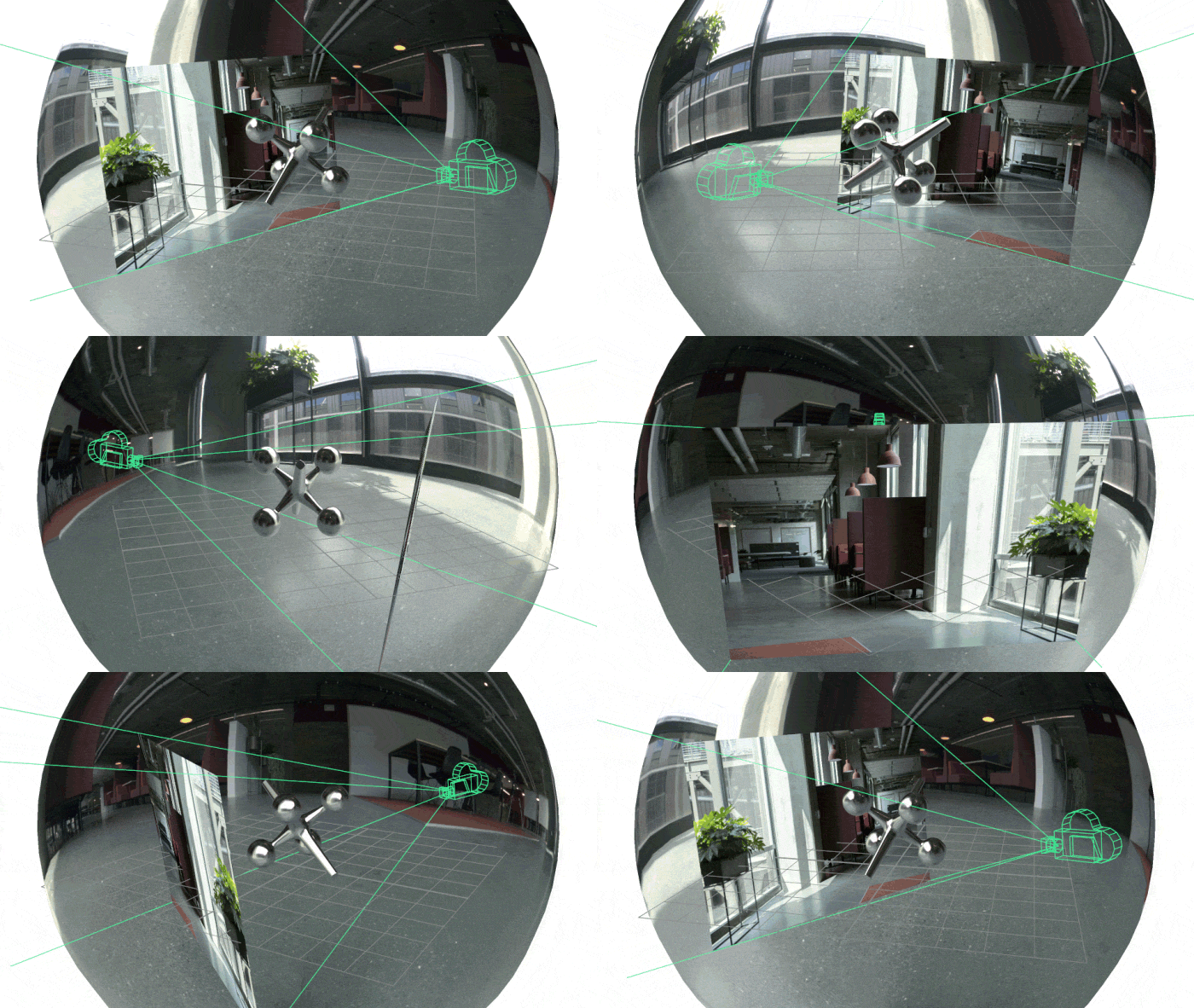
This course introduces modern image generative models — from classical VAE and GAN to recent diffusion models and diffusion transformers (DiT). Students study the mathematical foundations of likelihood-based and score-based generative modeling, learn how to build, fine-tune, and condition generative pipelines, and practice on tasks such as image synthesis, editing, and inversion. Hands-on projects connect the theory to concrete implementations.
programming: python, pytorch, tensorflow
Neural Graphics (G)
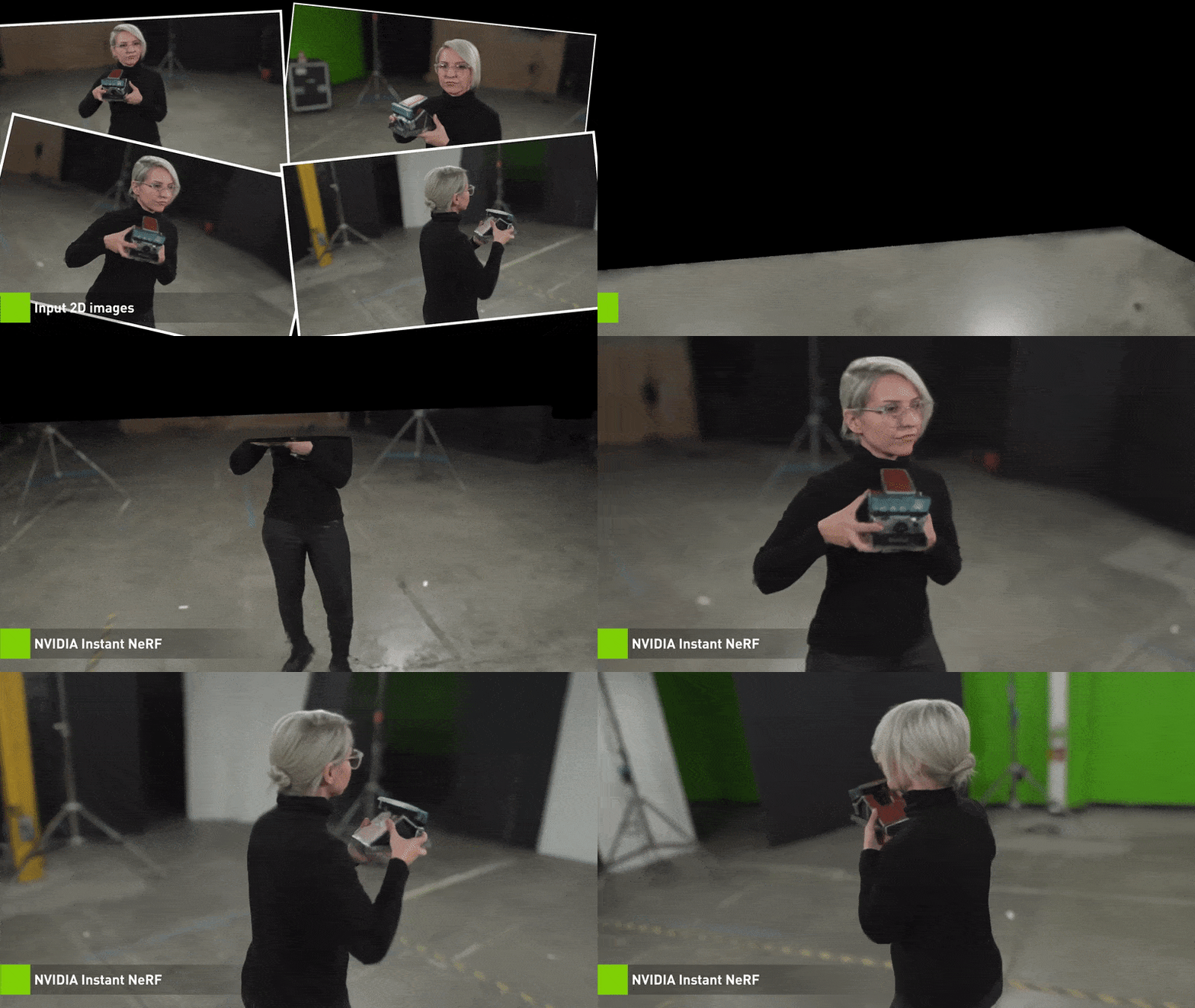
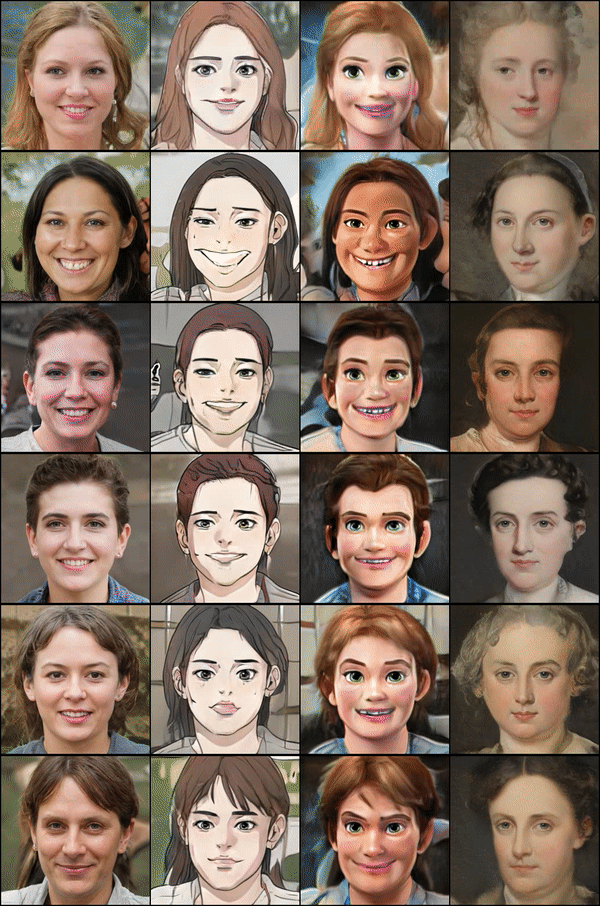
This graduate course introduces the rapidly growing field of Neural Graphics, where classical computer graphics meets modern deep learning. We cover neural radiance fields (NeRF), 3D Gaussian Splatting (3DGS), differentiable rendering, neural appearance models, and the integration of generative priors (DiT, diffusion) with physically-based rendering. Students study the mathematical underpinnings of these methods and implement core algorithms in hands-on assignments, building a foundation for research at the intersection of graphics, vision, and generative AI.
programming: python, pytorch, CUDA, custom rasterizer kernels