Domain-Optimized Segmentation via SAM3 Attention Tuning
We investigate domain-optimized segmentation by tuning the attention mechanisms inside SAM 3-class foundation models so that promptable concept segmentation can be specialized to demanding downstream domains without losing the open-vocabulary flexibility of the backbone. The aim is a small, principled modification surface — restricted to attention adapters and prompt encoders — that leaves the foundation weights mostly intact while adapting to fine-grained, domain-specific concepts.
Recent directions include:
- Attention-Mechanism Tuning of SAM3: Surgical adapters into the self/cross-attention layers of SAM3, conditioned by domain-specific prompt encoders, to specialize the segmenter without full fine-tuning.
- Tooth-Number-Aware Dental Segmentation (planned): Per-tooth identity segmentation for intra-oral imaging, supplying the labels our dental inverse-graphics pipeline needs for crown-level analysis.
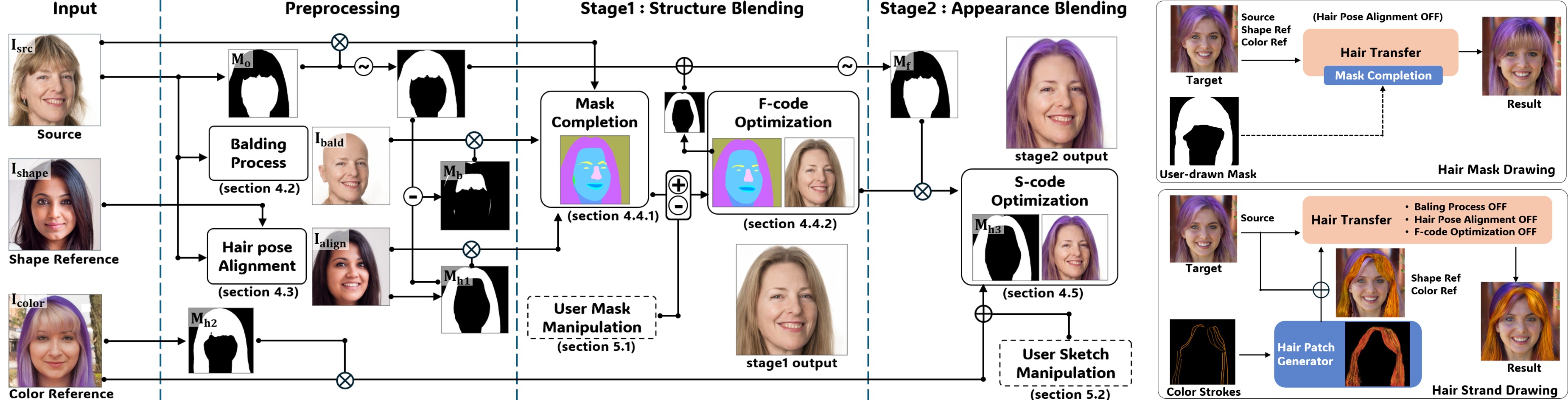
- Hair-Structure Segmentation (planned): Strand-aware hair masking that downstream feeds the matte-gated DiT hair-editing pipeline, coupling perception and generation in a single workflow.
This research line provides instance-level priors that feed back into our Dental Inverse Graphics and Hair DiT projects, closing a loop between perception and generation.
programming experience
Python, PyTorch, Hugging Face Transformers, SAM/SAM2/SAM3 frameworks, OpenCV